
Epoxy Vs Polyaspartic: Which Is Better For Your Garage Floor Coating Jackson MS?
If you live in Jackson, Mississippi, your garage floor takes a beating. From the sweltering summer heat and stifling humidity to the heavy rains that sweep through the Pine Belt, your concrete is under constant stress. Whether you are looking to turn your garage into a high-end workshop, a clean home gym, or simply a place to park your truck without worrying about oil stains, choosing the right coating is the most important decision you will make.
For years, "epoxy" was the buzzword for any shiny garage floor. But as technology has advanced, a newer contender: polyaspartic: has taken the top spot for homeowners who want longevity and performance. At Madison Coatings Company, we get asked this question almost every day: Epoxy vs. Polyaspartic: Which is actually better for a Jackson home?
In this guide, we will break down the chemistry, the durability, and the local climate factors to help you decide which investment makes the most sense for your property.
Understanding Traditional Epoxy Coatings
Epoxy has been the industry standard for decades. It is a thermosetting polymer that is created by mixing a resin with a hardener. When applied to a properly prepared concrete surface, it creates a thick, hard layer that protects the floor.
The Pros of Epoxy
The primary draw of epoxy is its upfront cost. It is generally more affordable than polyaspartic coatings, making it an attractive option for homeowners on a strict budget. It also offers a decent level of impact resistance and can hide minor imperfections in the concrete due to its thickness.
The Cons of Epoxy
While epoxy was a breakthrough in its time, it has several limitations, especially in residential garage environments:
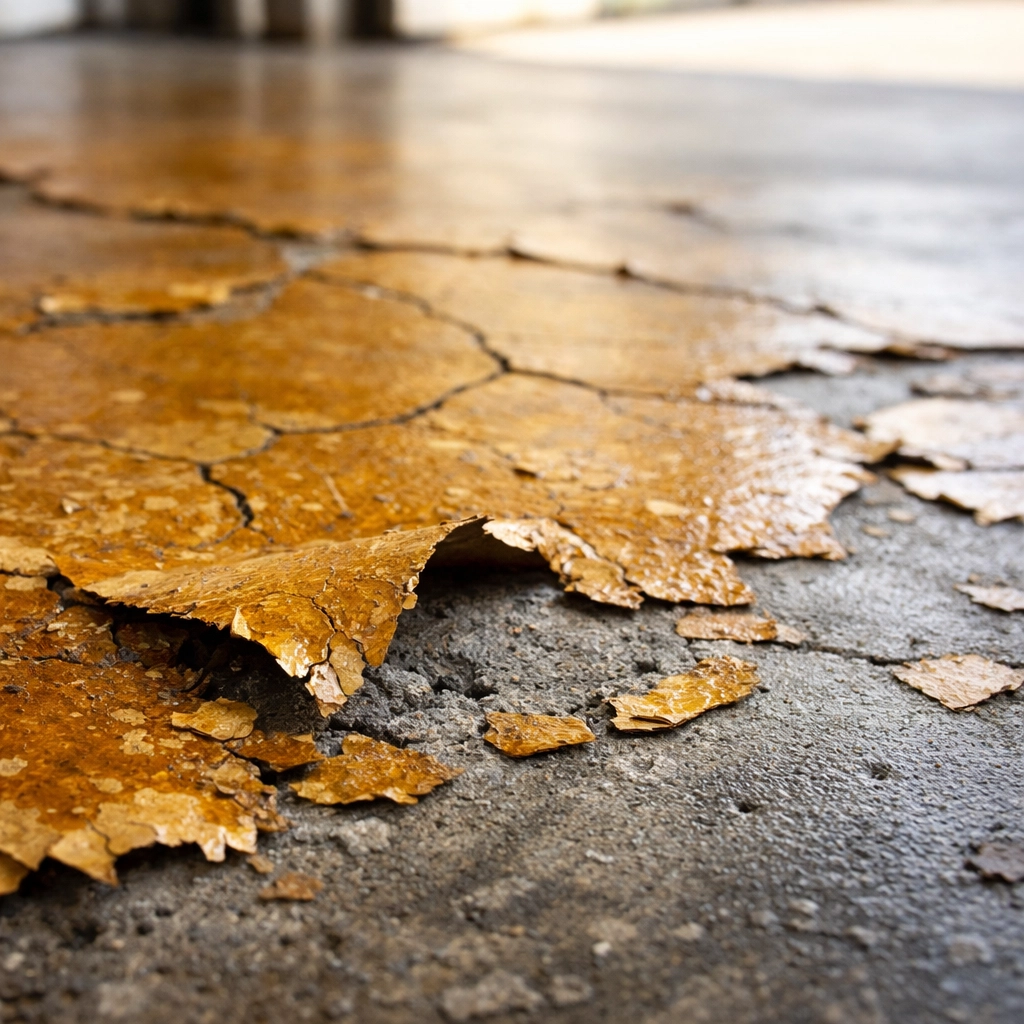
UV Sensitivity: Epoxy is not UV-stable. If your garage gets any sunlight, the coating will eventually amber or "yellow" over time.
Brittleness: Epoxy is a very rigid material. As the Jackson soil shifts and temperatures change, the concrete expands and contracts. Because epoxy isn't flexible, it can crack or delaminate under this stress.
Long Cure Times: Standard epoxy can take several days to fully cure before you can drive a vehicle on it.
The Rise of Polyaspartic Technology
Polyaspartic is a high-performance coating that was originally developed to protect steel bridges and industrial equipment in harsh environments. Eventually, the technology was adapted for residential concrete floors, and it has revolutionized the industry.
Unlike epoxy, which sits on top of the concrete, polyaspartic actually penetrates the pores of the concrete to create a mechanical bond that is nearly impossible to break.
Why Polyaspartic is the Modern Choice:
Extreme Durability: Polyaspartic is roughly four times stronger than traditional epoxy. It is highly resistant to scratches, chips, and chemical spills (including gasoline and oil).
Flexibility: This is a game-changer for Mississippi homeowners. Polyaspartic is 98% more flexible than epoxy, meaning it moves with your concrete during temperature fluctuations rather than cracking.
UV Stability: It will never yellow or fade, even if your garage door is left open for hours in the direct Mississippi sun.
Heat Resistance: Have you ever seen an epoxy floor peel up where the car tires sit? That is called "hot tire pick-up." Polyaspartic is chemically resistant to this, ensuring your floor stays intact even after a long summer drive.
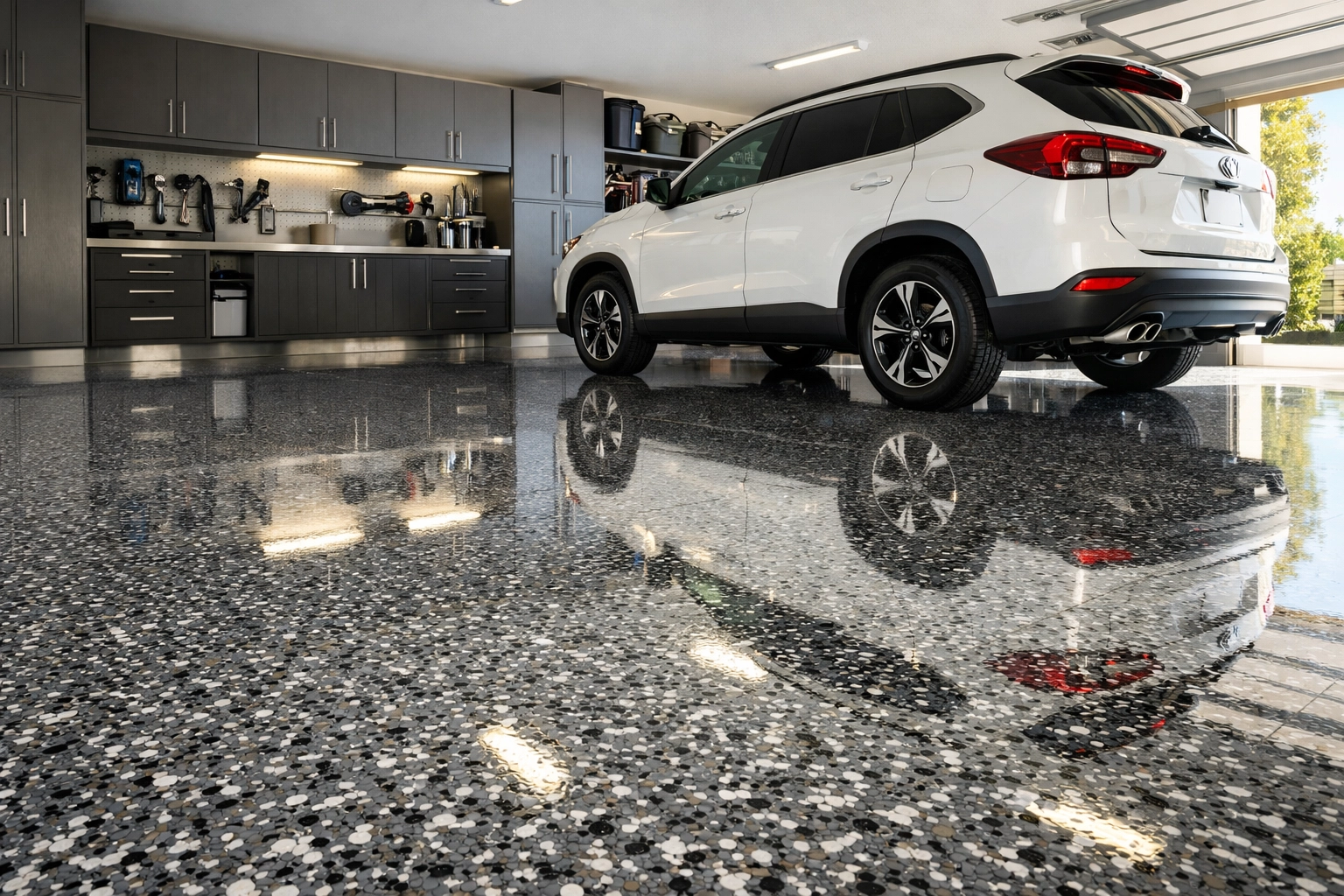
To see the visual difference this makes, you can explore our gallery of completed projects.
The Jackson, MS Climate Factor: Humidity and Heat
When choosing a floor coating, you have to consider the environment. Jackson isn't just hot; it’s humid. This humidity plays a massive role in how floor coatings behave.
Moisture and Curing
Epoxy is notoriously finicky when it comes to moisture. If the humidity is too high during installation, the epoxy may not bond correctly to the concrete, leading to bubbles or premature peeling. In Central Mississippi, finding a "perfect" low-humidity day is rare.
Polyaspartic, however, is much more "forgiving" during the installation process. It can be applied in a wider range of temperatures and humidity levels, making it the superior choice for our local climate.
The "Breathe-ability" of Concrete
Concrete is a porous material that naturally releases moisture vapor. Because polyaspartic is more flexible and has a superior bond, it handles this vapor transmission much better than the rigid, "plastic-like" barrier of epoxy. This is one of the main reasons why we often recommend polyaspartic for commercial floor coatings in Mississippi as well.
Speed of Installation: Getting Your Garage Back
One of the biggest frustrations for homeowners is losing access to their garage for a week.
The Epoxy Timeline: A professional epoxy job typically requires several days. Day one is prep and base coat. Day 2-3 is the top coat and curing. You often cannot walk on it for 24-48 hours and cannot park a car on it for 5-7 days.
The Polyaspartic Timeline: We specialize in one-day garage floor coatings in Madison and Jackson. Because polyaspartic cures so quickly, we can often complete the entire process: from grinding the concrete to the final topcoat: in a single day. You can usually walk on the floor in 4-6 hours and drive on it within 24 hours.
If you’re wondering how we move so fast without sacrificing quality, check out our article on the fastest way to get your concrete coating done right.
Comparing Maintenance and Longevity
Every homeowner wants a floor that looks good not just on day one, but on day 1,000.
Life Expectancy
In a typical garage, a professionally installed epoxy floor might last 3 to 7 years before it starts showing significant wear, yellowing, or peeling. A polyaspartic system, however, is designed to last 15 years or more. Many homeowners consider it a "lifetime" floor. When you factor in the cost of replacing an epoxy floor twice in the time it takes for one polyaspartic floor to age, the true value of polyaspartic becomes very clear.
Ease of Cleaning
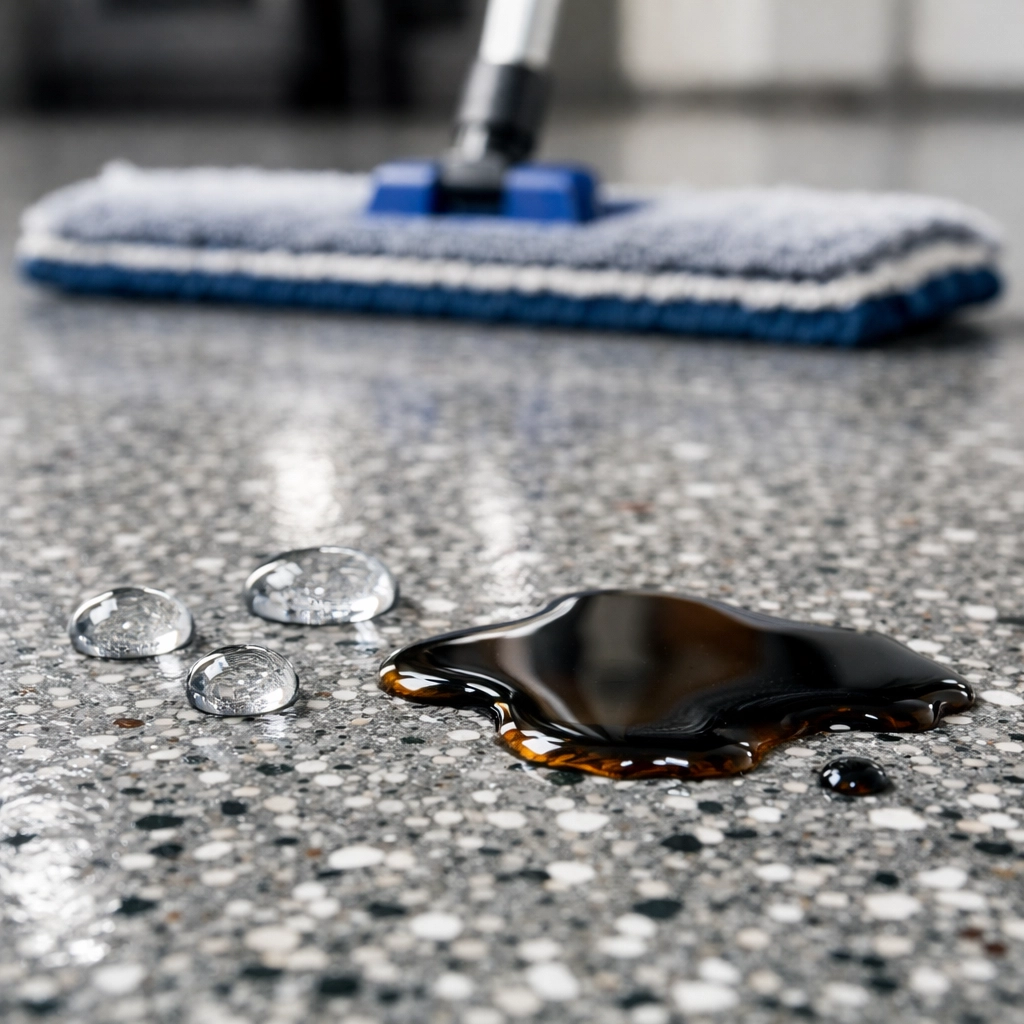
Both floors are easier to clean than bare concrete, but polyaspartic’s non-porous finish makes it especially resistant to staining. Whether it’s red Mississippi clay or a spilled bottle of motor oil, a simple mop and some mild detergent are usually all you need. For more tips on this, read our ultimate guide to maintaining your floor.
Safety First: Slip Resistance
In the humid South, a "sweating" concrete floor can become a slipping hazard. While a smooth, high-gloss epoxy floor looks beautiful, it can be like an ice rink when wet.
At Madison Coatings Company, we incorporate vinyl flakes and a textured topcoat into our polyaspartic systems. This adds a critical layer of traction, making your garage safer for children, pets, and seniors. Slip resistance matters, and it’s a standard part of our high-quality installations.
The Financial Breakdown: Is Polyaspartic Worth It?
Let's talk numbers. Is polyaspartic more expensive upfront? Yes. On average, you might pay 20% to 30% more for a polyaspartic system than a standard epoxy job.
However, consider the Return on Investment (ROI):
Home Value: A professional, warrantied garage floor coating is a major selling point for Jackson real estate. It signals that the home has been well-maintained.
Replacement Costs: If epoxy fails in 5 years, you have to pay for the removal of the old coating (which is expensive) plus the installation of a new one. Polyaspartic avoids this cycle.
Financing: We believe every homeowner should have access to a durable floor, which is why we offer financing options to help bridge the gap in upfront costs.
Why Professional Installation is Non-Negotiable
You may have seen "DIY Epoxy Kits" at the big-box stores in Jackson or Ridgeland. While these are cheap, they are significantly lower in solids and quality than industrial-grade materials. Most DIY kits are water-based and don't provide the thickness or bond needed to survive a Mississippi summer.
A professional installation by Madison Coatings Company involves:
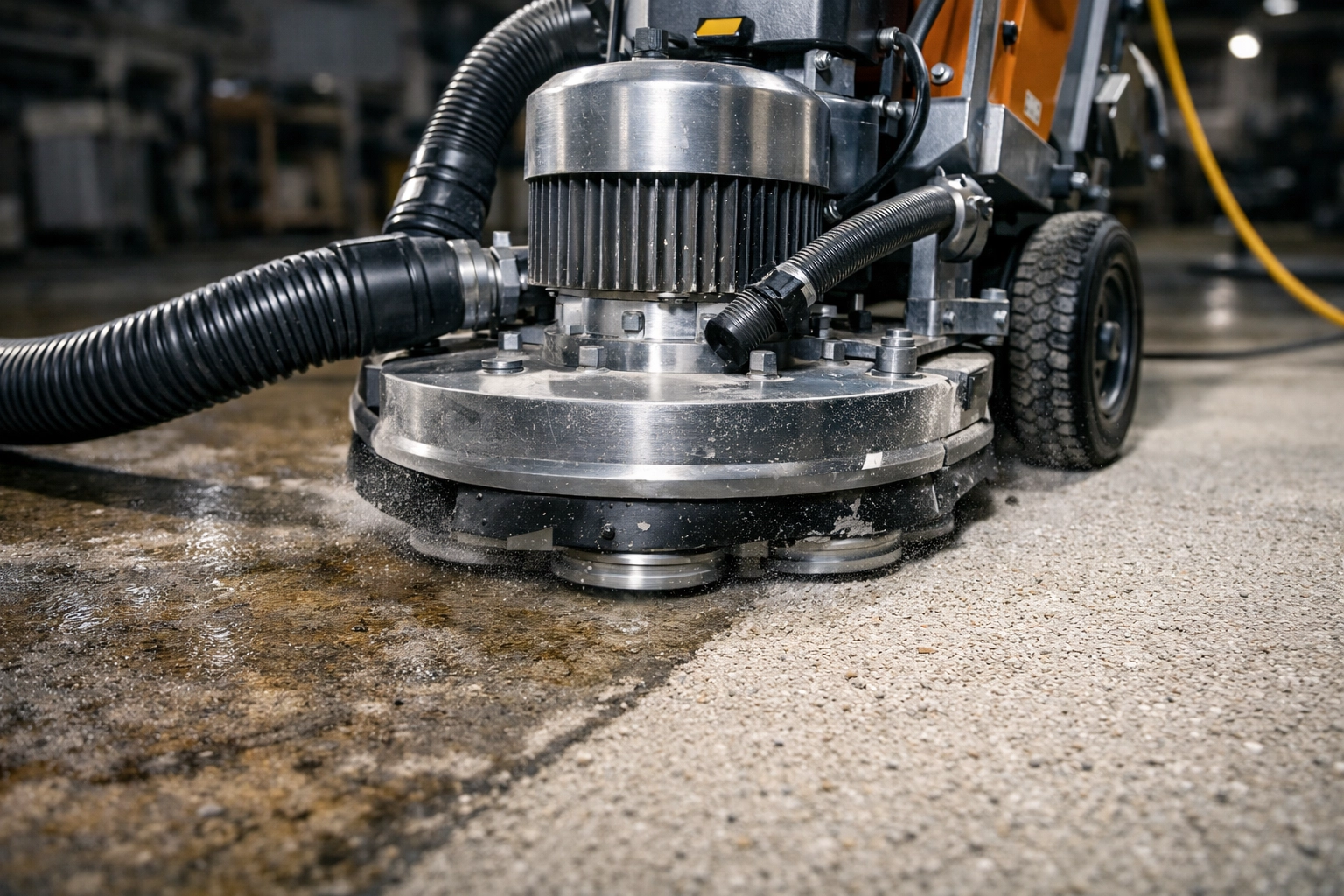
Diamond Grinding: We use heavy industrial equipment to open the pores of the concrete.
Moisture Testing: We ensure your concrete isn't holding too much water before we begin.
Industrial Materials: We use high-solids polyaspartic that isn't available to the general public.
Final Verdict: Which One Should You Choose?
Choose Epoxy if: You are on a very tight budget, the area is climate-controlled, and you don't mind the possibility of having to recoat the floor in a few years.
Choose Polyaspartic if: You want a "one-and-done" solution, you value your time (1-day install), you want the strongest protection against Jackson’s heat, and you want a floor that will look brand new ten years from now.
At Madison Coatings Company, we have seen the results of both. Our mission is to provide the highest value to our neighbors in Jackson, Brandon, and Madison. That is why we lean heavily toward polyaspartic systems: they simply perform better in our unique Mississippi environment.
Ready to see how your garage could look? Use our visualizer tool to pick your colors, or contact us today for a free estimate. Let's build a floor that lasts.