
Commercial Floor Coatings Mississippi: Which Is Better For Your Business, Epoxy or Polyaspartic?
When you're running a business in Madison, Jackson, Brandon, or Ridgeland, your facility's flooring isn't just about aesthetics, it's a critical operational asset. The wrong commercial floor coating can mean unexpected closures, safety hazards, and costly repairs. The right one? It protects your investment, keeps employees safe, and maintains operations without interruption.
The two heavy hitters in commercial floor coatings Mississippi businesses rely on are epoxy and polyaspartic. Both offer impressive benefits, but they're not interchangeable. Understanding which system works best for your specific operation can save you tens of thousands of dollars and countless headaches down the road.
Understanding Epoxy and Polyaspartic: The Basics
Before diving into the comparison, let's establish what we're working with.
Epoxy floor coatings have been the industrial standard for decades. They're created by mixing resin and hardener, which chemically react to form a rigid, durable surface. Epoxy creates an extremely strong bond with concrete and can handle significant weight and traffic.
Polyaspartic coatings are a newer technology, a type of polyurea that offers rapid curing times and exceptional flexibility. While they cost more upfront, polyaspartic systems deliver performance characteristics that epoxy simply can't match in certain applications.
Durability: Which Coating Holds Up Better?
For commercial spaces in Central Mississippi, durability isn't negotiable. You need industrial concrete floor protection that can handle whatever your operation throws at it.
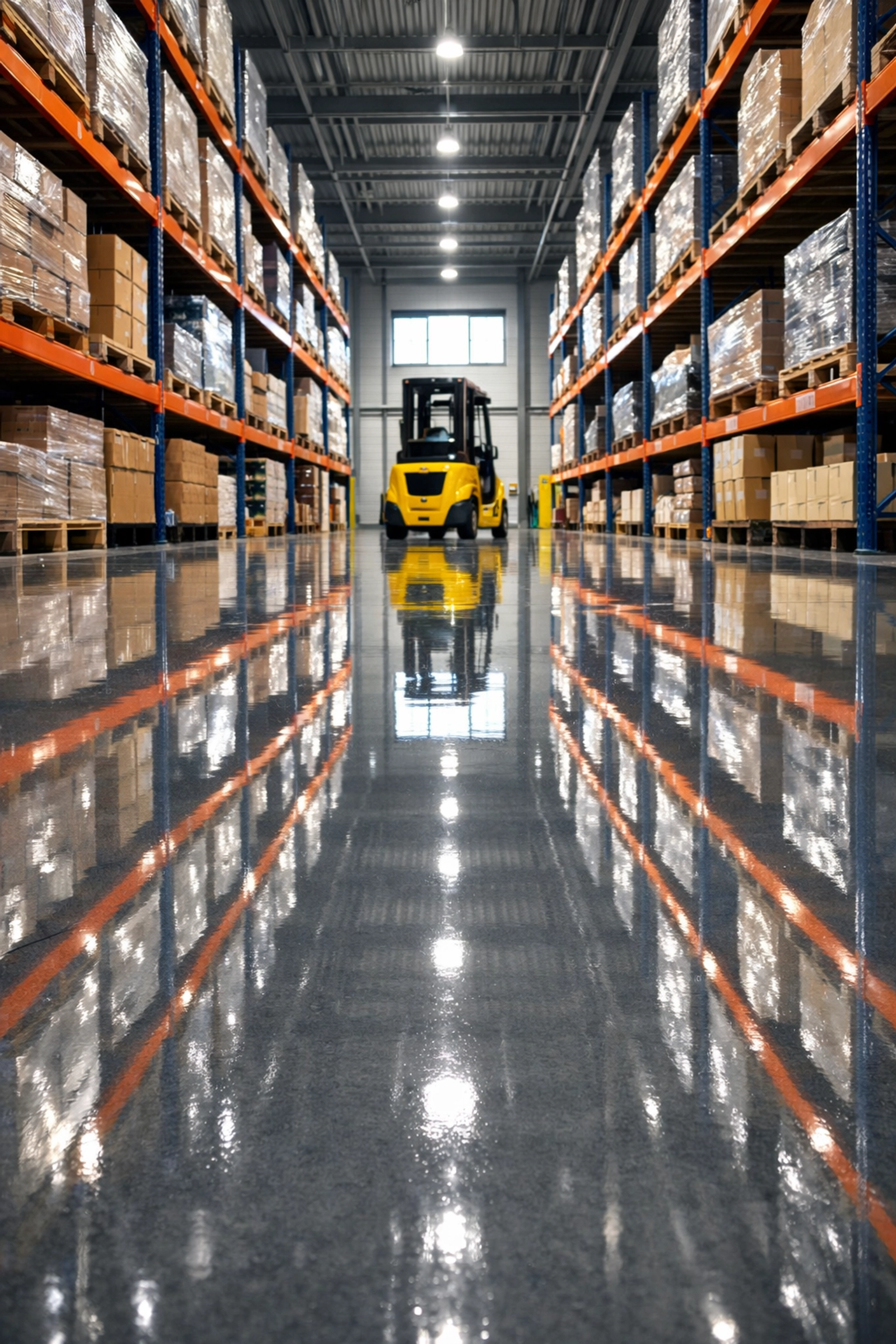
Polyaspartic takes the durability crown in most head-to-head comparisons. It resists chips, cracks, and abrasion better than epoxy, particularly in high-impact environments. If you're running a warehouse in Brandon where forklifts are constantly moving pallets, or a retail space in Ridgeland with shopping cart traffic, polyaspartic's superior impact resistance becomes invaluable.
Epoxy is certainly durable, don't get us wrong. It can handle heavy loads and chemical exposure effectively. However, it's more prone to cracking under impact and can show wear patterns faster in high-traffic zones.
One critical difference for Mississippi businesses: UV stability. Epoxy yellows and degrades when exposed to sunlight, which matters if your facility has loading docks, skylights, or large windows. Polyaspartic maintains its color and gloss indefinitely, even with direct sun exposure.
The Downtime Factor: When Time Equals Money
Here's where the epoxy vs polyaspartic commercial debate gets really interesting for business owners.
Polyaspartic cures in 20 minutes to one hour. You can typically walk on it within hours and have your facility back to full operation within 24 hours, sometimes even the same day for smaller applications.
Epoxy requires 24-72 hours to cure fully. Factor in the multiple coats most commercial applications need, and you're looking at several days of downtime minimum. For many businesses, that's simply not feasible.
Let's put this in perspective: If you own a restaurant in Madison, a weekend installation with polyaspartic means you're closed Saturday night and Sunday, but open for business Monday morning. With epoxy, you might need to stay closed all week.
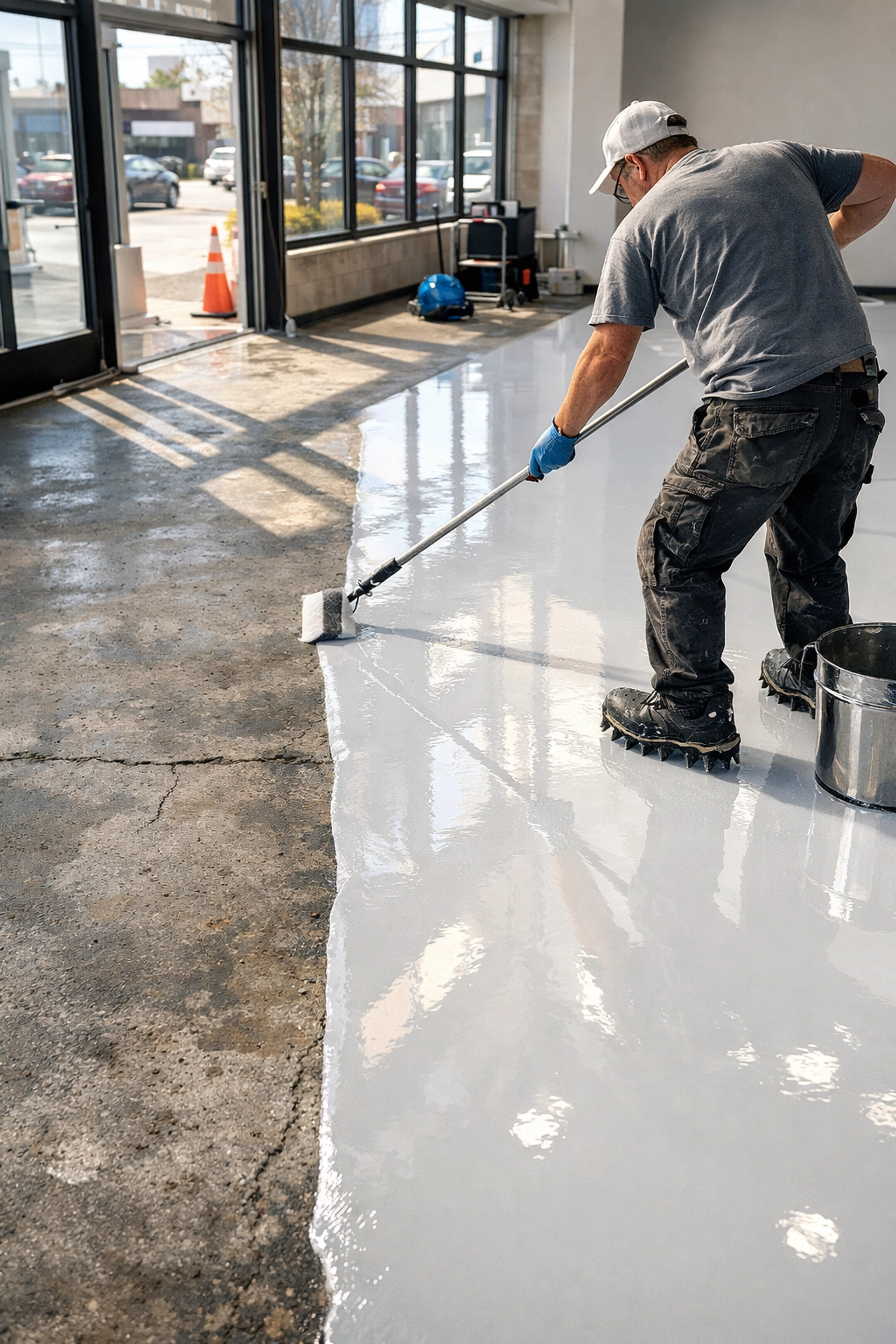
For warehouses and distribution centers, the math gets even more compelling. Every day of shutdown costs thousands in lost productivity. Polyaspartic's rapid cure time can reduce those losses by 80% or more compared to epoxy installations.
Chemical Resistance: Industry-Specific Considerations
Both epoxy and polyaspartic offer excellent chemical resistance, but with some important distinctions.
For automotive shops and manufacturing facilities in Jackson dealing with oils, solvents, and industrial chemicals, both coatings perform admirably. Epoxy has a long track record in these environments and handles most chemical exposures effectively.
For food service and processing operations, polyaspartic edges ahead due to its seamless, non-porous surface that prevents bacterial growth and simplifies sanitation. Its stain resistance is also superior, which matters when you're dealing with acidic substances or dyes.
For retail environments, polyaspartic's resistance to scuffing and scratching means your floor looks newer longer, which contributes to your brand image and customer experience.
Real-World Applications: What Works Where?
Warehouses and Distribution Centers
For these high-traffic, heavy-load environments, polyaspartic typically delivers better long-term value despite the higher upfront cost. The combination of impact resistance, rapid installation, and minimal maintenance makes it ideal for 24/7 operations. However, a hybrid system: epoxy base with polyaspartic topcoat: can offer cost savings while maintaining performance.
Retail Spaces
Retail floor coatings need to balance durability with aesthetics. Both epoxy and polyaspartic can be customized with decorative flakes, metallic effects, or solid colors. Polyaspartic's UV stability is crucial for storefronts with natural light, while its scratch resistance keeps high-traffic areas looking pristine.
Restaurants and Food Service
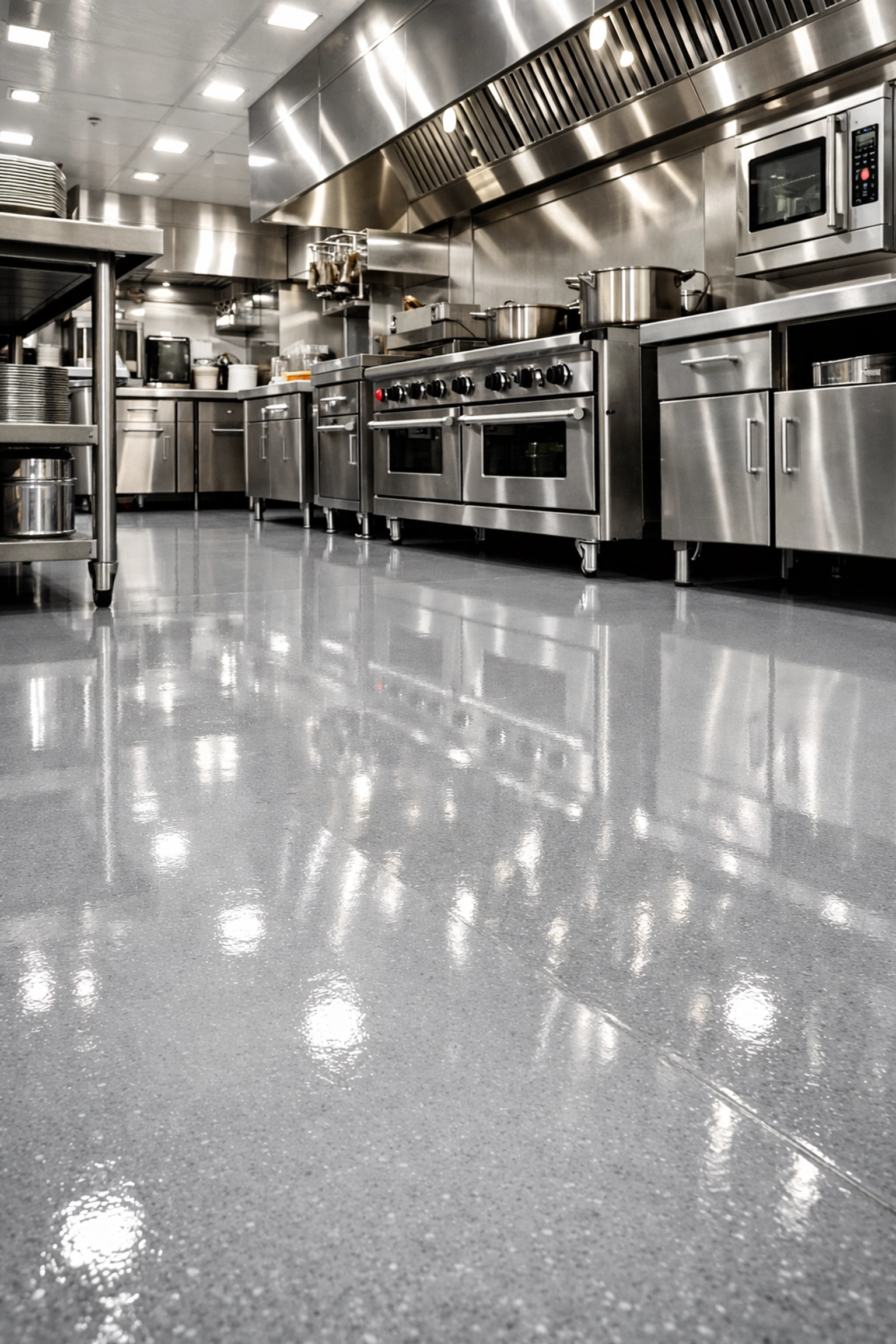
The rapid cure time of polyaspartic is almost essential in food service, where extended closures directly impact revenue. Its seamless, food-safe surface also meets health department requirements more effectively than some epoxy systems. For kitchen areas specifically, polyaspartic's stain and chemical resistance handles the constant exposure to oils, acids, and cleaning chemicals.
Manufacturing Facilities
This is where the choice becomes more nuanced. Heavy manufacturing with extreme chemical exposure might benefit from specialized epoxy systems designed for industrial use. Lighter manufacturing or assembly operations often find polyaspartic's fast installation and durability more advantageous.
The Cost Question: Initial Investment vs. Long-Term Value
Let's address the elephant in the room: polyaspartic costs more upfront: sometimes 50-100% more than epoxy for materials alone.
However, professional commercial floor coatings Mississippi contractors will tell you the real cost comparison requires looking beyond the initial quote.
Epoxy's lower upfront cost makes it attractive for businesses on tight budgets or those coating large square footage. If you're working with limited capital and can afford the installation downtime, epoxy delivers solid performance at an accessible price point.
Polyaspartic's higher initial investment pays dividends through reduced business interruption, longer lifespan, and lower maintenance costs. When you factor in the lost revenue from extended closures with epoxy, polyaspartic often becomes the more economical choice: particularly for businesses that operate daily or 24/7.
The hybrid approach mentioned earlier splits the difference: an epoxy base provides strength at a lower cost, while a polyaspartic topcoat adds UV stability, chemical resistance, and aesthetic appeal.
Why Professional Installation Is Non-Negotiable
Here's a critical point many business owners overlook: the quality of installation matters as much as the coating system you choose.
Polyaspartic's rapid cure time makes it essentially impossible for DIY application. You get one shot at it, and if something goes wrong, you're looking at costly removal and reapplication. This is actually an advantage: it forces professional installation, which ensures proper results.
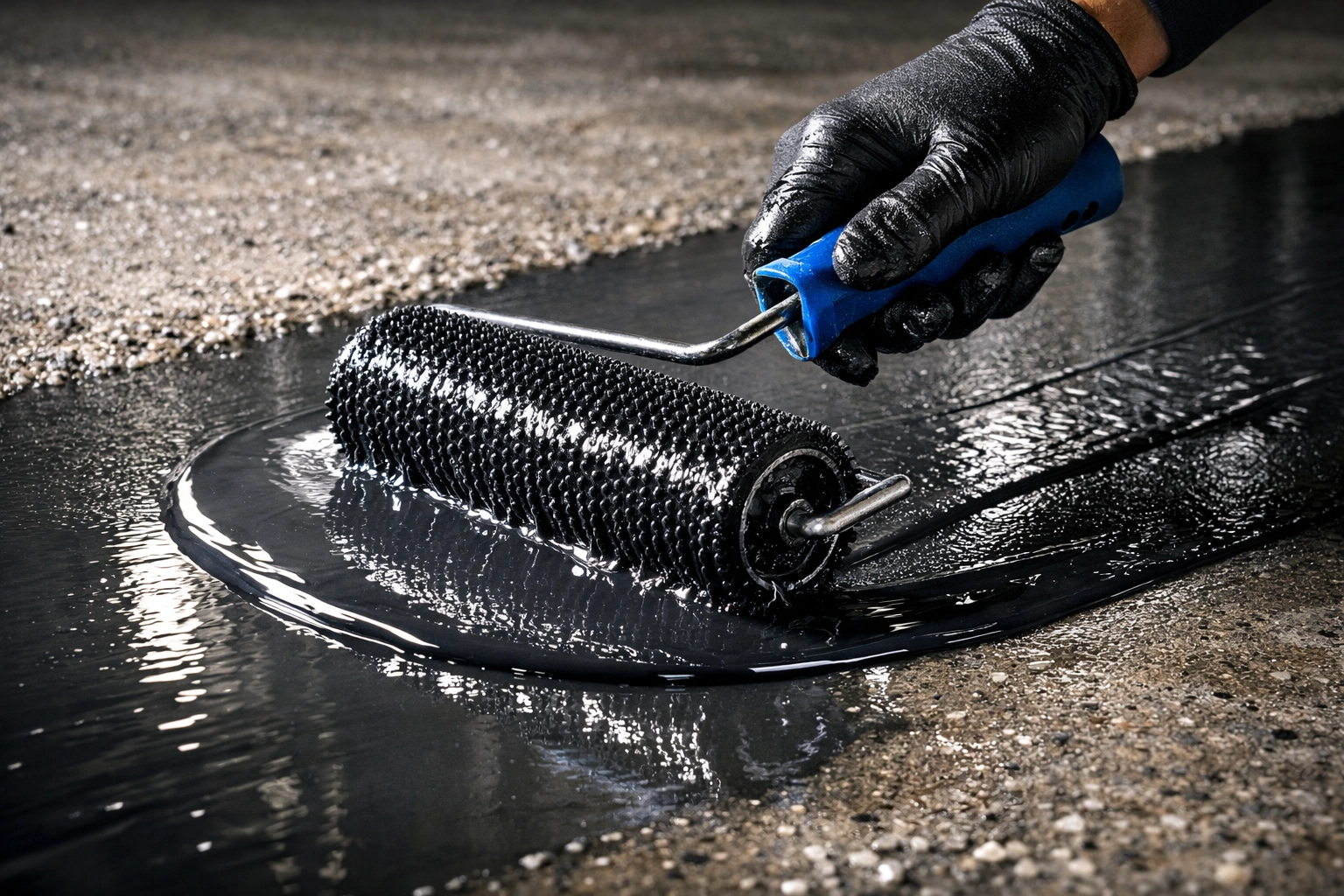
Epoxy's more forgiving cure time has led some business owners to attempt self-installation. This rarely ends well in commercial applications. Professional contractors like Madison Coatings Company bring:
Proper surface preparation, including moisture testing, profile grinding, and crack repair
Climate control knowledge, crucial for Mississippi's humidity and temperature variations
Application expertise to ensure proper thickness, adhesion, and finish quality
Business continuity planning to minimize operational disruption
Poor installation voids any advantages your chosen coating system might offer. A professionally installed epoxy system will dramatically outperform a poorly installed polyaspartic system, and vice versa.
The Mississippi Climate Factor
Central Mississippi's climate presents specific challenges for commercial floor coatings. High humidity, temperature extremes, and moisture in concrete slabs can sabotage installations if not properly addressed.
Professional contractors understand the importance of moisture vapor testing before installation. Concrete slabs in our region often have moisture content that can cause coating failure if not properly managed. Both epoxy and polyaspartic can handle Mississippi's climate when properly installed, but the pre-installation preparation is absolutely critical.
Temperature during installation also matters. Polyaspartic can be applied across a wider temperature range, making it more flexible for Mississippi's variable weather. Epoxy has narrower application windows, which can delay projects during extreme heat or cold.
Making Your Decision
The right commercial floor coating for your Mississippi business depends on several factors:
Choose polyaspartic if:
Minimizing downtime is critical to your operation
Your facility has UV exposure through windows or doors
You need maximum durability and impact resistance
Long-term value outweighs initial cost concerns
Your space experiences heavy foot or vehicle traffic daily
Choose epoxy if:
Budget constraints make initial cost the primary factor
You can afford several days of business closure
UV exposure isn't a concern for your facility
You're coating a large area where cost per square foot matters significantly
Consider a hybrid system if:
You want to balance cost and performance
Your facility has varied exposure and traffic patterns
You're looking for the best of both worlds
Next Steps for Mississippi Business Owners
The bottom line: both epoxy and polyaspartic offer excellent industrial concrete floor protection, but they excel in different scenarios. Your specific business needs, operational constraints, and budget will determine which system delivers the best value.
At Madison Coatings Company, we've installed both systems across hundreds of commercial facilities in Madison, Jackson, Brandon, and Ridgeland. We can assess your specific situation, discuss your operational requirements, and recommend the coating system that makes the most sense for your business: not just for the installation, but for years of reliable performance.
Ready to protect your commercial space with a floor coating that actually works for your business? Contact us for a professional assessment and detailed quote. We'll walk your facility, discuss your specific needs, and provide honest recommendations based on decades of commercial coating experience in Central Mississippi.