
Polyaspartic Vs Epoxy Floor Coating: Which Is Better For Your Garage?
So you're finally ready to upgrade that dull, stained concrete garage floor. Maybe you're tired of looking at oil spots, or you just want a space that looks as good as the rest of your home. Either way, you've probably stumbled across two popular options: epoxy floor coating and polyaspartic floor coating.
But here's the thing, choosing between them isn't as simple as flipping a coin. Each has its own strengths and weaknesses, and the "best" choice really depends on what matters most to you. Budget? Durability? How fast you can get your car back in the garage?
Let's break it all down so you can make a decision you'll be happy with for years to come.
What Exactly Is Epoxy Floor Coating?
Epoxy has been the go-to garage floor coating for decades, and for good reason. It's a thermosetting resin that, when mixed with a hardening agent, creates a tough, protective layer over your concrete. Think of it as a thick, durable skin that shields your garage floor from stains, cracks, and everyday wear.
Epoxy coatings come in a variety of colors and finishes, including those popular decorative flake options you've probably seen. It bonds directly to concrete, creating a seamless surface that's way easier to clean than bare cement.
What Is Polyaspartic Floor Coating?
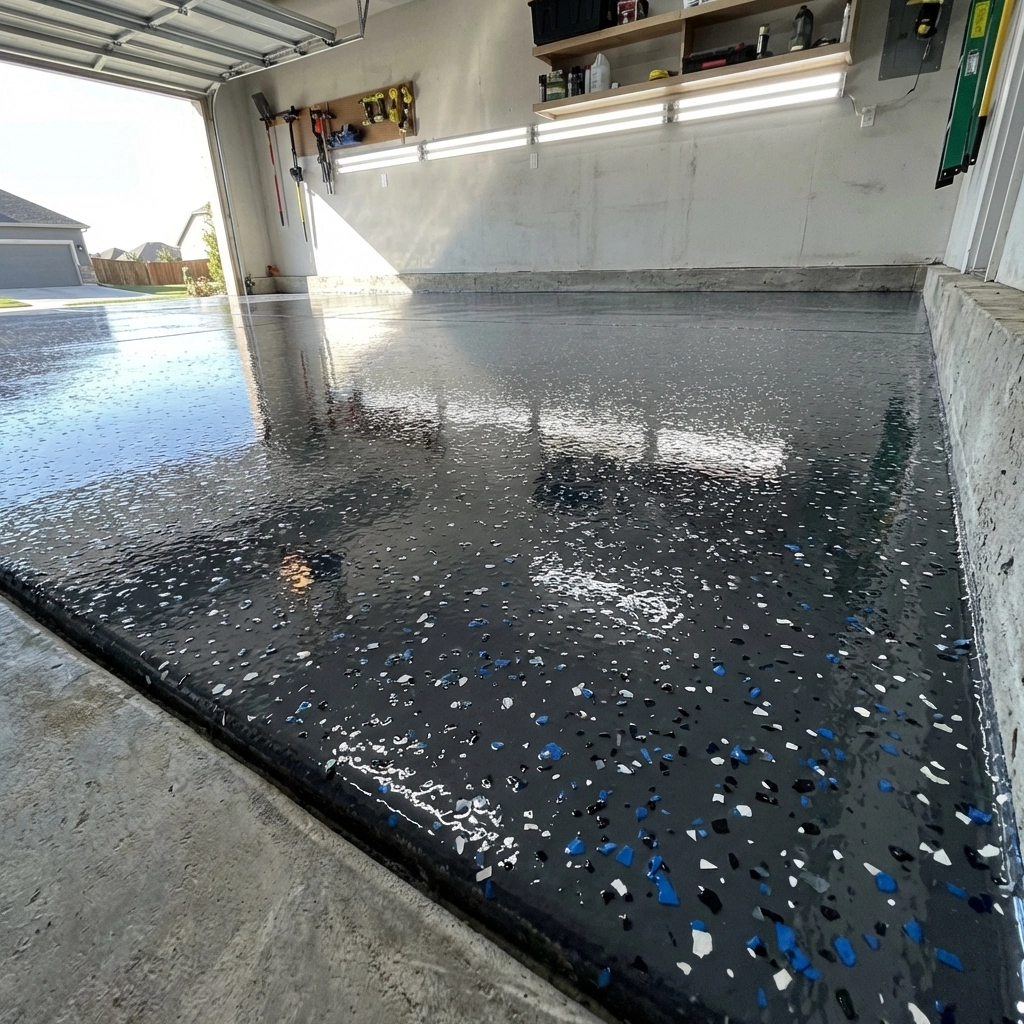
Polyaspartic coating is the newer kid on the block, a type of polyurea that was actually developed as an improvement over traditional epoxy. It's known for its flexibility, fast curing time, and impressive resistance to UV rays and chemicals.
While polyaspartic coatings work similarly to epoxy (they're applied over concrete to create a protective layer), they have some key differences that make them stand out, especially in certain climates and use cases.
Head-to-Head: Epoxy Vs Polyaspartic
Alright, let's get into the nitty-gritty. Here's how these two garage floor coatings stack up against each other.
Durability & Longevity
When it comes to long-term performance, polyaspartic takes the crown. It's significantly more resistant to abrasion, chemicals, and moisture compared to epoxy. Polyaspartic coatings are also 98-100% more flexible than epoxy, which means they're far less likely to crack when your concrete expands and contracts with temperature changes.
In terms of lifespan:
Polyaspartic: Up to 15 years with proper care
Epoxy: 5-10 years on average
That extra flexibility is a big deal, especially if you live somewhere with hot summers and unpredictable weather (sound familiar, Mississippi?).
Installation & Curing Time
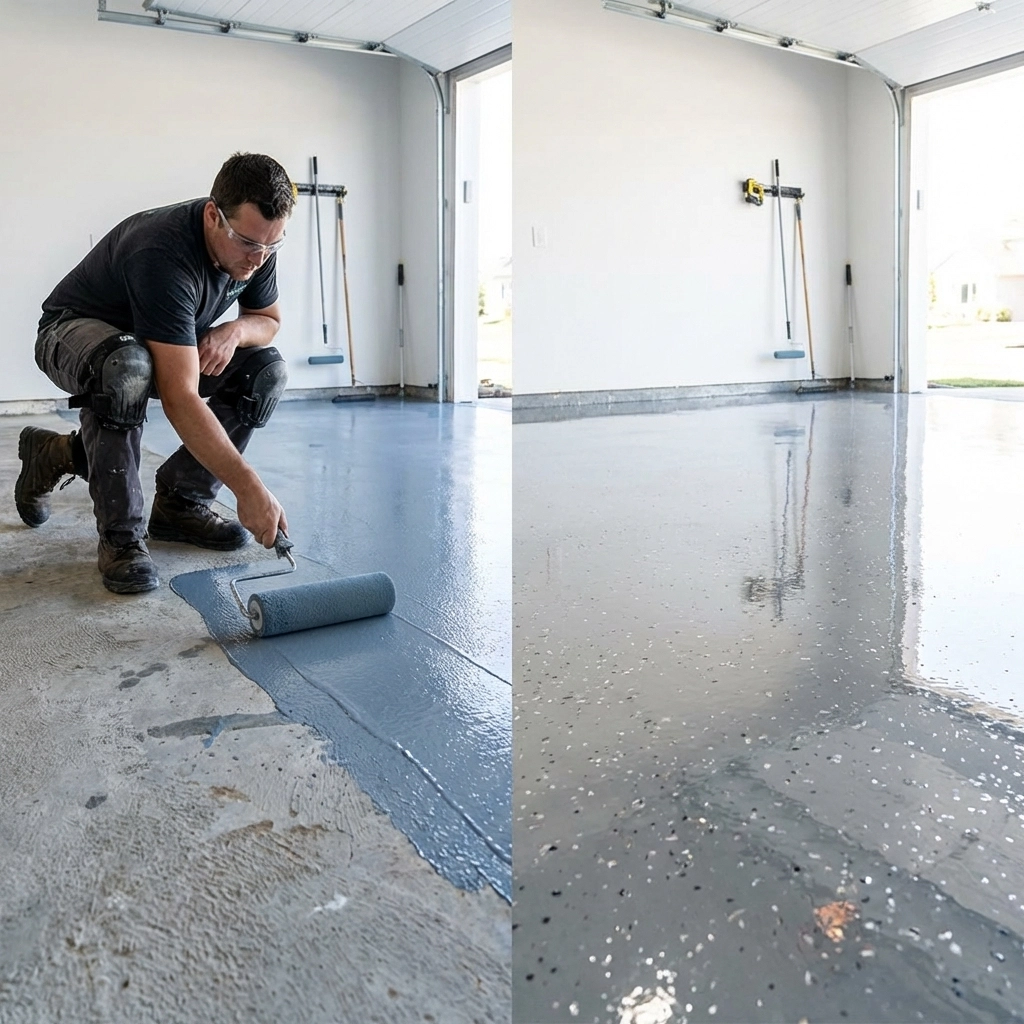
Here's where polyaspartic really shines. Polyaspartic coatings can cure in as little as 20 minutes to 24 hours, meaning you could potentially have your garage back in action the same day it's coated.
Epoxy? Not so fast. It typically takes 24-72 hours to fully cure. That's potentially a whole weekend where your car is sitting in the driveway.
If you're the impatient type (no judgment here) or you simply can't afford to have your garage out of commission for days, polyaspartic is the clear winner.
UV Resistance & Color Stability
This one matters more than you might think, especially for Mississippi homeowners. Our garages get a lot of sunlight streaming in, and UV exposure can wreak havoc on certain coatings.
Polyaspartic maintains its color beautifully: it won't fade or yellow over time, even with regular sun exposure. Epoxy, on the other hand, tends to develop an amber tone or discolor after years of UV exposure. If you want that fresh, glossy look to last, polyaspartic has the edge.
Cost Comparison
Let's talk money. Epoxy is definitely cheaper upfront. If budget is your primary concern, epoxy floor coating gives you solid performance without breaking the bank.
However, here's the catch: when you factor in polyaspartic's longer lifespan and reduced maintenance needs, it can actually be more economical in the long run. You might pay more today, but you won't be re-coating your garage floor again in five years.
Factor | Epoxy | Polyaspartic |
Upfront Cost | Lower | Higher |
Lifespan | 5-10 years | Up to 15 years |
Long-term Value | Moderate | Excellent |
Appearance & Aesthetics
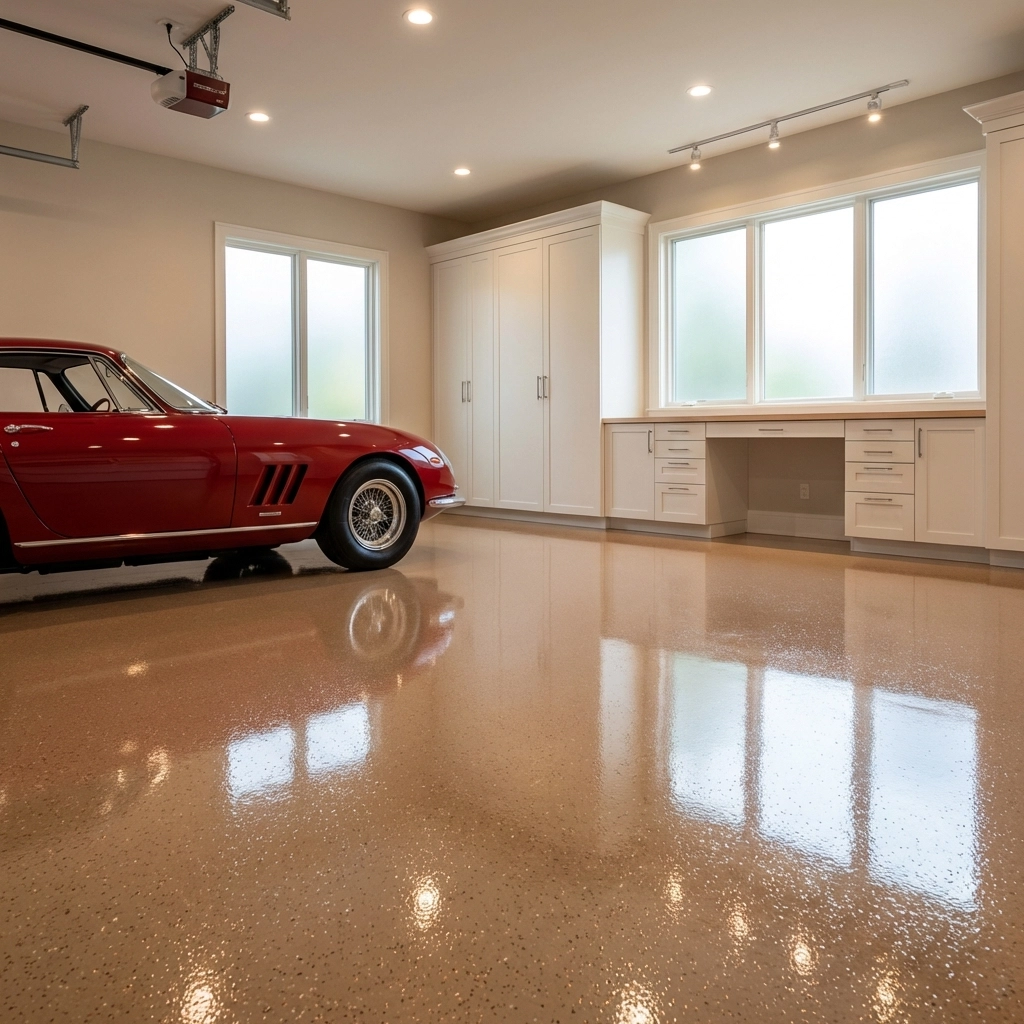
Both coatings can look absolutely stunning. You can get either in a wide range of colors, and both work great with decorative flake systems for that high-end showroom look.
That said, polyaspartic tends to produce a slightly higher gloss finish that really makes colors pop. Epoxy looks great too, but it may lose some of that shine over time, especially if it starts yellowing from UV exposure.
Want to see what different finishes might look like in your space? Check out our gallery for some inspiration.
Ease of Cleaning & Maintenance
Good news: both coatings are super easy to clean. A simple sweep and occasional mop with mild soap is all you need to keep either one looking fresh. Oil drips, dirt, and debris wipe right up instead of soaking into the concrete like they would on an uncoated floor.
The main difference comes down to long-term maintenance. Since polyaspartic is more durable and resistant to wear, you'll likely spend less time and money on touch-ups and repairs over the years.
One thing to note: polyaspartic can get slippery when wet. If you're tracking in rain or snow, you'll want to make sure your installer adds non-slip additives to the topcoat. This is standard practice for most professionals, but it's worth mentioning.
Which Coating Is Best for Mississippi Garages?
Living in Mississippi means dealing with hot, humid summers, occasional temperature swings, and plenty of sunshine. So which coating handles our climate better?
Polyaspartic has a clear advantage here. Its flexibility means it won't crack when temperatures fluctuate, and its UV resistance ensures it won't yellow or fade from all that southern sun. Plus, it handles humidity and moisture better than epoxy, which is a real bonus in our climate.
That said, epoxy is still a solid choice if budget is tight. Just be prepared for the possibility of some yellowing and potentially earlier wear compared to polyaspartic.
Quick Summary: Who Should Choose What?
Go with polyaspartic if you:
Want maximum durability and longevity
Need your garage back quickly (fast cure time)
Care about UV resistance and color stability
Are thinking long-term value over upfront cost
Go with epoxy if you:
Have a tighter budget
Don't mind a longer cure time
Are okay with potentially re-coating in 5-10 years
Want a proven, reliable option
Why Work with Madison Coatings Company?
Here's the thing about garage floor coatings: the product matters, but so does the installation. Even the best polyaspartic coating won't perform well if it's not applied correctly. Surface prep, temperature conditions, proper mixing ratios... there's a lot that can go wrong with DIY installation.
At Madison Coatings Company, we've helped countless Mississippi homeowners transform their garage floors with professional-grade coatings. We know the local climate, we understand the unique challenges of our humidity and heat, and we can help you choose the right coating for your specific situation and budget.
Not sure which option is right for you? Reach out to us for a consultation. We'll walk you through the options, answer your questions, and make sure you end up with a garage floor you'll love for years to come.
The Bottom Line
There's no one-size-fits-all answer to the epoxy vs polyaspartic debate. Both are excellent upgrades over bare concrete, and both will make your garage easier to clean and way better looking.
If you want the best performance, longest lifespan, and fastest installation, polyaspartic is the way to go. If you're working with a tighter budget and don't mind some trade-offs, epoxy is a reliable choice that's served homeowners well for years.
Either way, investing in a quality garage floor coating is one of those upgrades that pays off every single time you pull into your garage. Ready to get started? Browse our services or give us a call: we'd love to help you make the right choice for your home.